Rusted Pressure Reducing Valve Replaced Before It Became a Real Problem
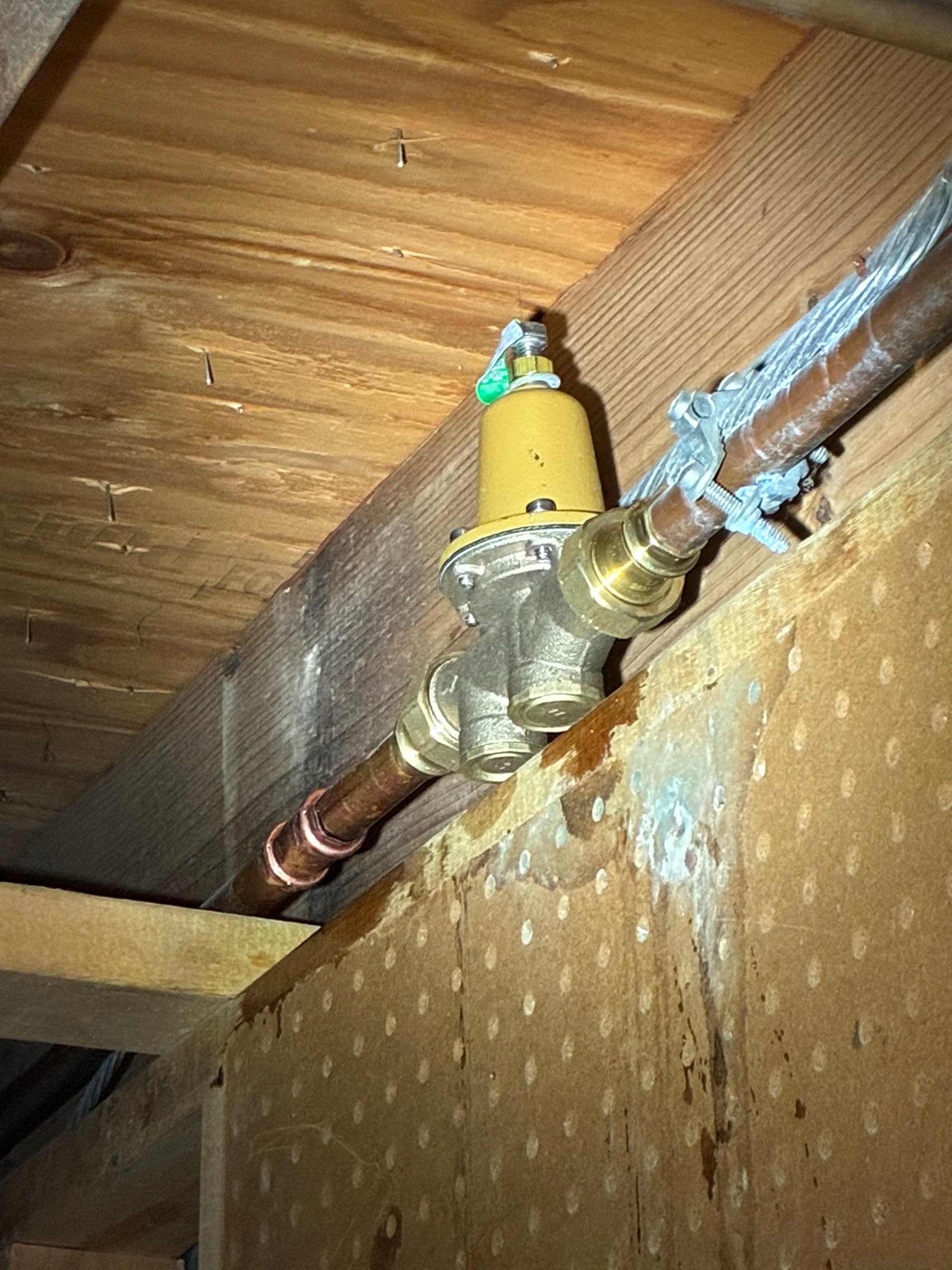
A pressure reducing valve - or PRV - is one of those components most homeowners never think about. It sits tucked away, out of sight, quietly doing its job. Until it doesn't.
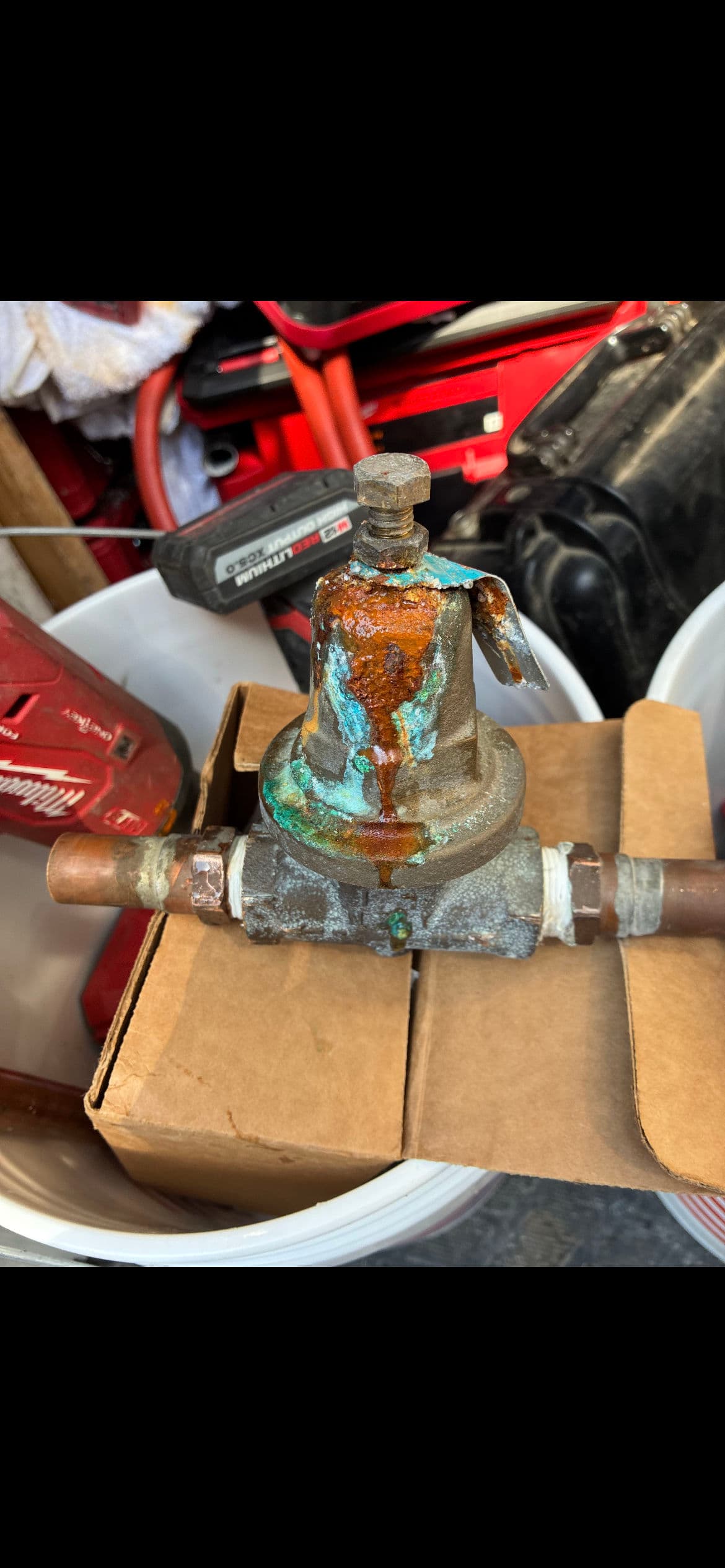
We pulled this one out and the corrosion tells the whole story. Heavy rust, green oxidation spread across the body, and deterioration that had been building for a long time. From the outside, nothing looked obviously wrong. But up close, this valve was on borrowed time. A rusted PRV doesn't just fail - it can throw your water pressure off, stress your pipes, and eventually cause a leak that gets into your walls or floors before you ever notice it.
That's the part that gets people. It's not the dramatic burst pipe that causes the most damage - it's the slow, hidden stuff. A valve like this one, left in place, quietly working its way toward failure. We replaced it with a clean new unit, properly fitted and seated. The difference in how the system operates is immediate.
If your water pressure feels off - too high, inconsistent, or you're hearing strange sounds from your pipes - that's worth paying attention to. It's not always a PRV, but that's one of the first things we check. Catching a problem at the valve stage is a lot cheaper and less stressful than dealing with what comes after it fails.
We specialize in tracking down water leaks and plumbing issues that aren't obvious. The ones hidden in crawl spaces, behind walls, or tucked up against joists where most people wouldn't think to look. If something feels off with your plumbing, don't wait on it.