Water Heater Replacement Done Right Before Winter Hits
Most water heaters don't give you a dramatic warning before they fail. They just quietly get worse - slower recovery times, lukewarm showers, maybe a little rust-colored water - until one cold morning you've got nothing. That's the reality we see all the time, especially heading into winter.
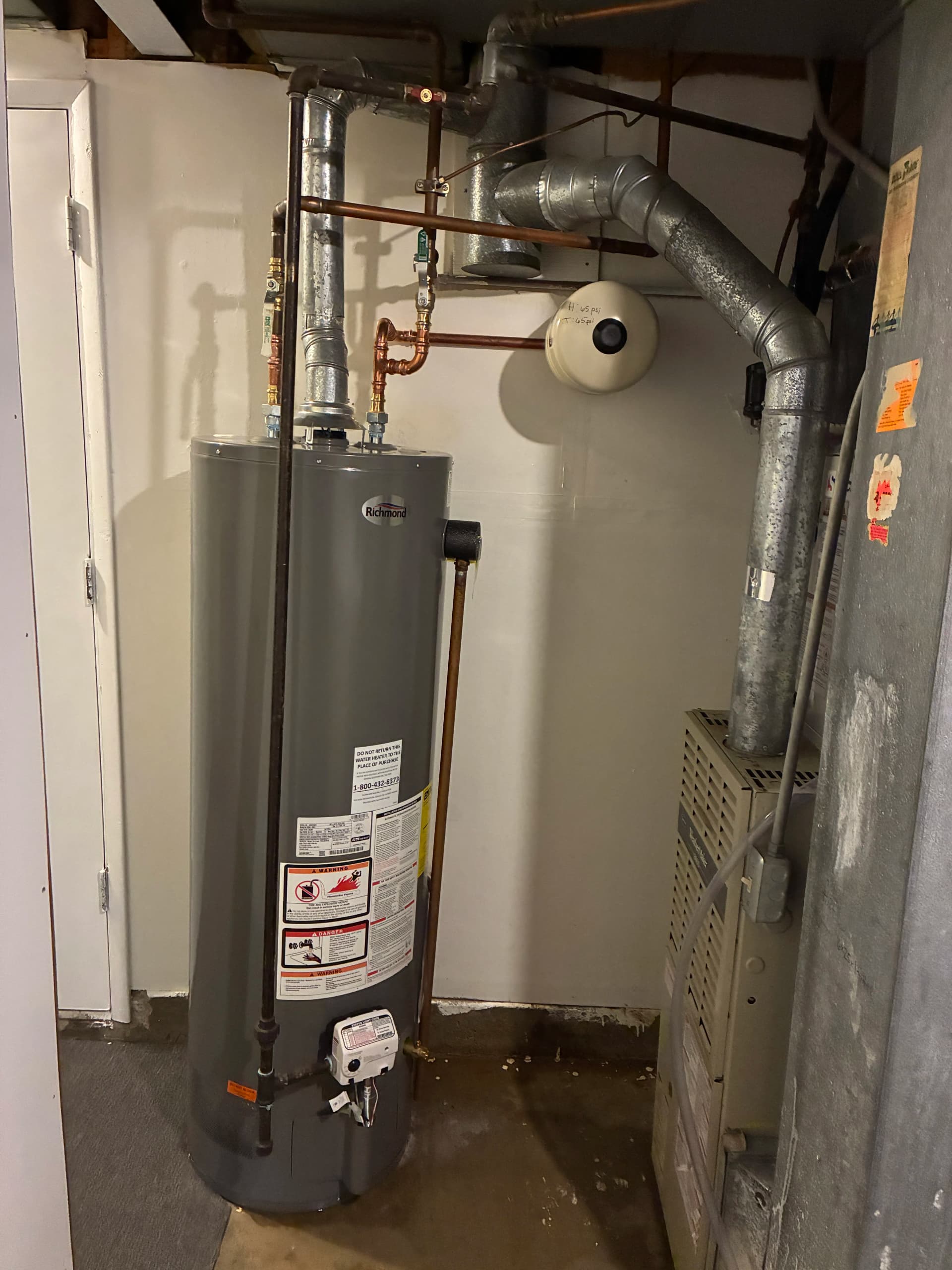
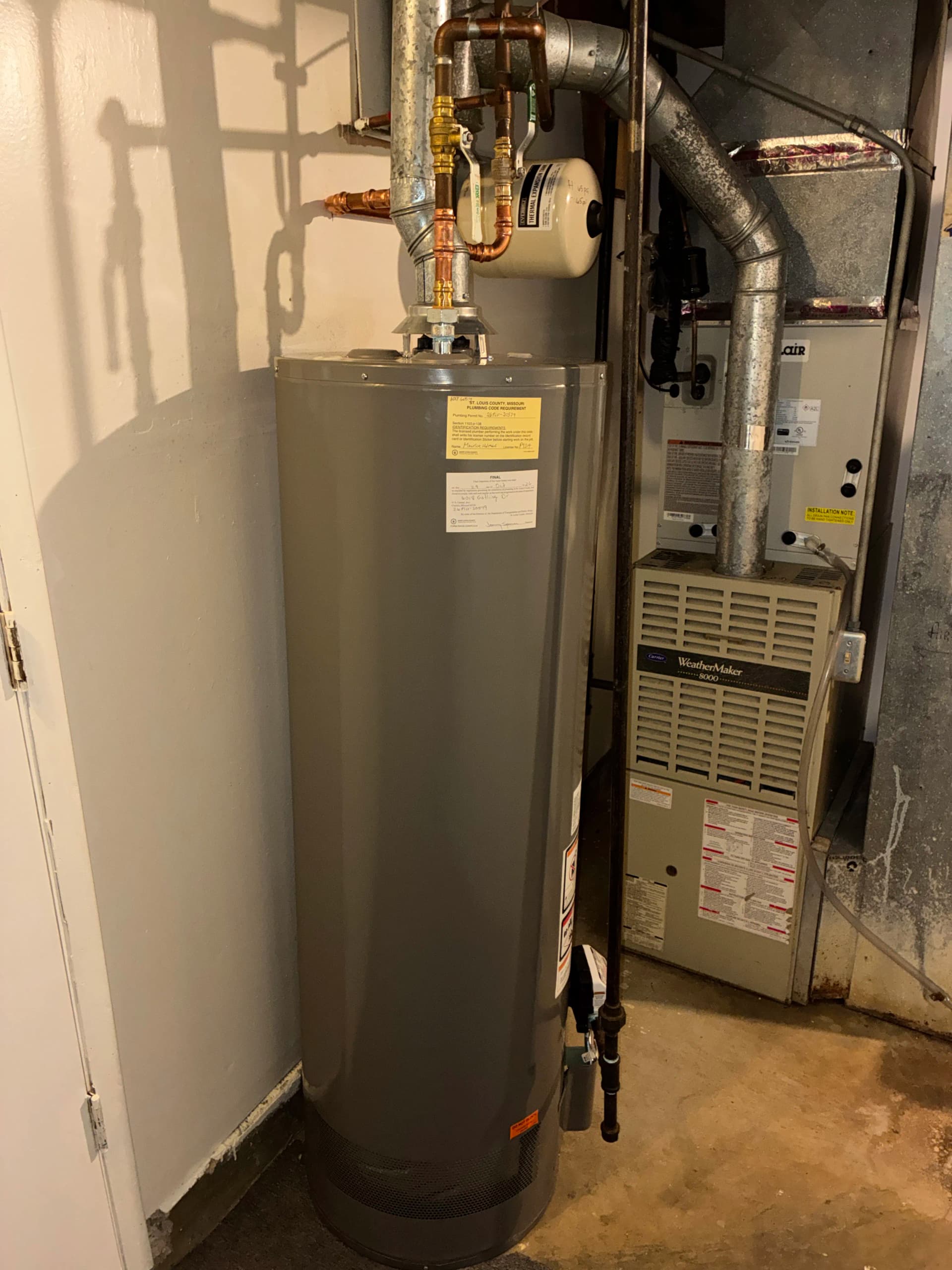
We just wrapped up a water heater replacement and got this homeowner set up with a clean, properly installed unit before the cold really sets in. New copper supply connections, a properly mounted expansion tank, and everything up to code. No shortcuts, no loose ends.
Here's the thing about winter - it's the worst possible time for a water heater to go out, and it's also the most common time it happens. Cold incoming water temperatures make older units work harder than they're built to. If yours is already struggling, that added stress is usually what pushes it over the edge.
If your water heater is getting up there in age or you've noticed it's not performing the way it used to, now is genuinely the right time to look at replacing it. Not after it fails on a freezing night, not after you've got water on your basement floor - now, while it's still on your terms.
We're licensed plumbers and this is the kind of work we do every day. A proper installation matters - from the connections to the expansion tank to making sure everything meets local code requirements. If you've been putting off dealing with an aging water heater, don't wait much longer.